IPL 2026: New Teams, New Rules, and Record-Breaking Deals
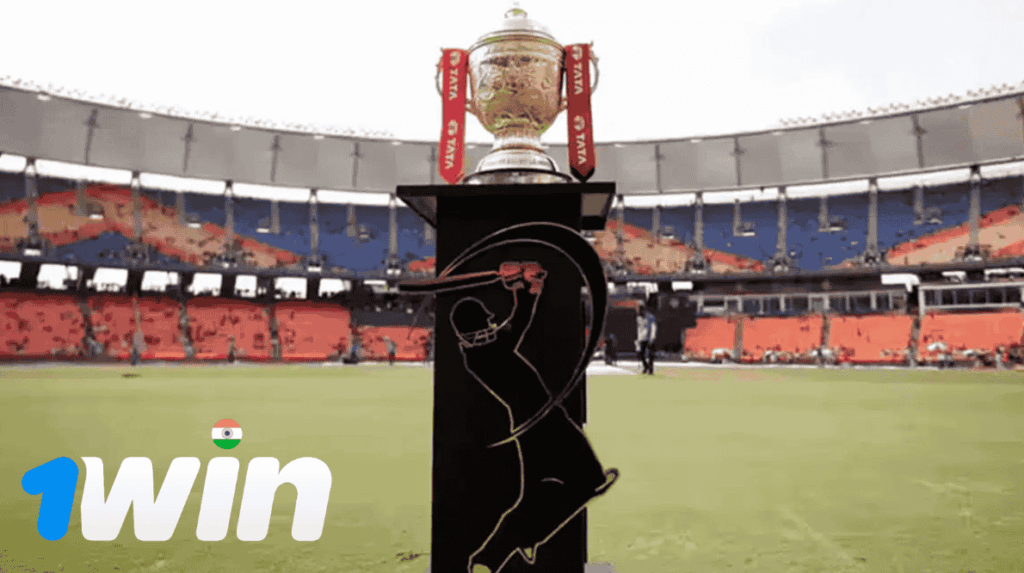

In 2026, the Indian Premier League (IPL) is once again the centre of attention for cricket fans not only in India but around the world. This Twenty20 tournament has long since become not just a sporting event but one of the world’s largest sporting business events. Operators such as one win have already opened long markets that are showing great interest from viewers. This year, it is not only the players who decide the outcome of the matches, but also the teams’ budgets, selection rules and transfer strategies that are becoming factors influencing the result. The new, 19th edition of the IPL will run from 26 March to 31 May 2026 and will feature the AFL, exciting auctions and the quintessence of cricket gambling.
New Auction Rules and Payment Restrictions
In 2026, the IPL introduced a number of innovations to the auction process designed to make the player allocation process more transparent and balanced. Some of these changes were aimed at increasing interest in the tournament. Others were aimed at protecting the financial stability of the leagues and fairness between teams.
The BCCI announced new rules for the 2026 IPL auction, including restrictions on maximum payments to foreign players. For example, if the bid amount exceeds the set limit, the player will not be paid the full declared fee: the standard upper limit for a foreigner this season is INR 18 crore (approximately ₹18 cr), with the remainder going towards player support initiatives and cricket development.
Who Left the Key Teams Before IPL 2026
Ahead of the auction and the start of the IPL 2026 season, many franchises made difficult decisions to part ways with big-name players in order to free up budget and reallocate resources:
- Andre Russell, one of the most renowned all-rounders, was released by Kolkata Knight Riders (KKR) after a long career with the franchise, as his cost was high and his performance fell short of expectations.
- Venkatesh Iyer, who was bought for a large sum last season, was also released by KKR and ended up finding a new club through the auction;
- Devon Conway, a long-time key player for CSK, was left without a team at the auction, which came as a surprise to many fans;
- Jonny Bairstow, known as a powerful foreign batter, also remained unsold (without a contract) after the 2026 auction, despite his wealth of experience;
- Jake Fraser-McGurk and Deepak Hooda, who could have been expected to participate, also did not receive any offers from teams at the auction;
This outcome demonstrates that even legendary names and players with extensive T20 experience can lose their place if franchises adopt a strategy in favour of younger or more value-for-money players.
Record Deals at Auction
One of the most talked-about events ahead of the start of IPL 2026 was the auction in Abu Dhabi. It was here that deals were made that may go down in the history of the tournament.
The main record of the season was set by Australian all-rounder Cameron Green, who was acquired by Kolkata Knight Riders for Rs 25.20 crore, the largest purchase of a foreign player in IPL history.
But the records are not limited to the main bid. Despite strong competition, Australian Pat Cummins joined one of the teams for ₹20.5 crore, an amount that was considered the ceiling just a couple of seasons ago. The transfer of Harik Pandey back to the Mumbai Indians also attracted interest, with the Gujarat Titans receiving monetary compensation instead of a player in return.
Another much-discussed deal was Vanindu Khasanangi’s move to Sunrisers Hyderabad. The player was paid more than ₹10 crore in the hope of strengthening the attack with a spinner.
Key Changes in Team Transfer Strategies
Bids for players, apart from big contracts, are part of a broader strategy. Teams carefully planned their budgets ahead of the IPL 2026 auction.
The number of players that can be retained remains limited, and the Right to Match (RTM) option gives a team the right to buy back a player at the price offered by another franchise.
Teams demonstrated a variety of approaches: KKR focused on stars of all formats, CSK bet on young players with great potential, and other franchises balanced between proven veterans and promising newcomers (for example, in the case of Venkatesh Iyer at RCB).
The transfer market was also active before the auction: players such as Ravindra Jadeja and Sanju Samson were traded between teams, bringing a “fresh blood effect” to the usual line-ups.
These changes in the line-ups make IPL 2026 not only a sporting but also a tactical confrontation between managers, coaches and analysts.
Leave a Reply