Watch how people kill time now. A few minutes in a coffee queue, a slow lift, a delayed train, the ad break nobody asked for. The default move is always the same: phone comes out, thumb starts working. Gambling didn’t create that habit. It simply moved into it.
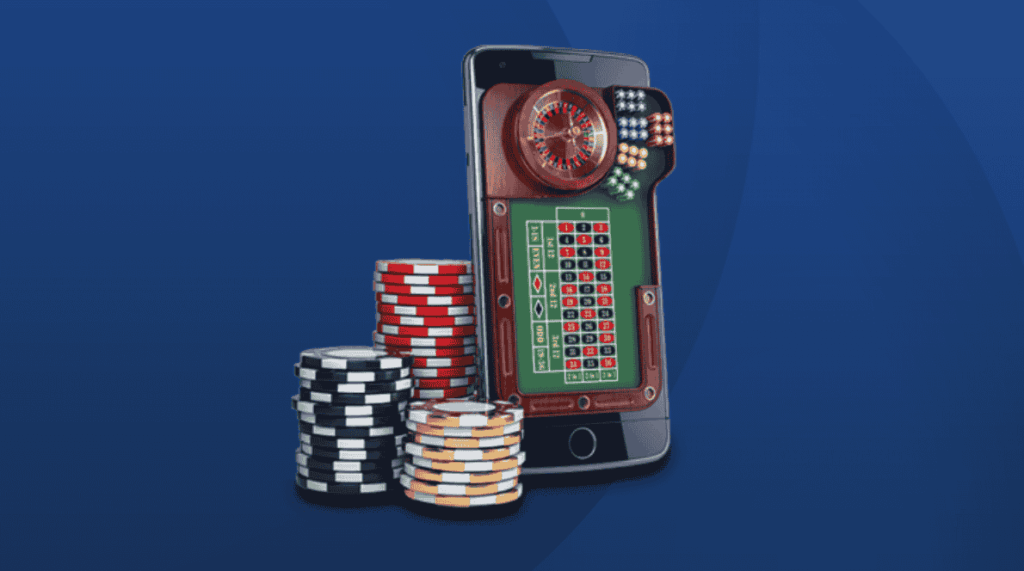
That’s why “mobile-friendly” isn’t the flex it used to be. Mobile is where the competition happens, where casinos spend their product budgets, and where most players actually stay. If the topic is still fuzzy, it helps to look at what a modern casino mobile setup includes today, because it’s not just smaller buttons and a squashed lobby. It’s basically the main venue.
Attention moved first, casinos followed
There’s a simple rule in online business: go where the attention is. The phone has been eating everyone’s screen time for a decade. Social feeds, banking, shopping, sports scores, dating apps, taxi apps, work chats that never stop. So the question isn’t “why mobile casinos.” The real question is why anyone expected desktop to remain the centre of gravity.
The end of the “sit down and play” ritual
Desktop gambling often demands a little ceremony. Open laptop. Find the site. Log in. Maybe update a browser. It’s not hard, but it’s a whole sequence, and sequences create friction.
Phones skip most of that. A player can be in a game in under a minute, sometimes in seconds. That fits modern play patterns, which are often shorter than the industry likes to admit. Not everyone is grinding for hours. Many sessions are quick, casual, and squeezed between real-life things.
And yes, that changes what people play. Fast games benefit. Live casino benefits. Anything that doesn’t require a manual or a second screen tends to win.
Mobile design finally grew up
Early mobile casino sites were, frankly, annoying. Tiny menus. Popups that trapped the screen. Games that loaded like it was 2009. That era trained people to treat mobile as a backup option.
The better operators stopped treating mobile as a “version” and started treating it as the product. The difference shows immediately.
Thumb-first navigation is not a small detail
A phone is controlled by thumbs, usually one. That sounds obvious, but plenty of platforms still design like everyone’s holding a device with two hands, carefully tapping like it’s a lab experiment.
Good mobile casinos do a few things consistently:
- clear lobby categories that don’t require scrolling forever
- search that actually finds games fast
- filters that don’t reset every time someone clicks back
- bigger touch targets for bets and menu items
It’s boring UX talk until it isn’t. When someone can’t find a favourite provider in two minutes, they leave. Mobile makes impatience more ruthless.
Speed matters more on a phone than on a laptop
Mobile users are less forgiving of slow loads, partly because they’re often multitasking, and partly because data connections are not always perfect. The industry adapted. Lighter pages, better caching, smarter game loading, fewer pointless animations.
Network improvements help too. 4G made mobile gambling viable. 5G and stronger Wi‑Fi made it smooth enough that live dealer tables stopped being a novelty and started being normal.
Money already lives on the phone
This might be the real engine behind the shift. People got comfortable moving money on mobile long before they got comfortable gambling on it. Banking apps taught them. Contactless payments sealed it.
Depositing into a casino from a phone now feels similar to paying for a meal or sending money to a friend. That psychological hurdle is gone for many users.
Faster deposits, fewer steps, less friction
Mobile payment flows tend to be cleaner, especially when they lean on device features like autofill and saved payment profiles. Even when a casino offers the same methods on desktop, the mobile process can feel quicker because it’s built around taps, not typing.
Common mobile-friendly options include e-wallets, instant bank transfer tools, and crypto wallets, which many users already manage on phones anyway.
Biometrics changed login behaviour
Passwords are a pain. Everyone knows it, nobody fixes it, until Face ID and fingerprints make the problem disappear. Mobile casinos benefit directly. Logging in becomes effortless. Approving payments becomes faster. That reduces drop-off.
It also nudges behaviour. When access is easy, people use the product more. Not always a good thing, but it’s true.
The games themselves shifted toward mobile
Mobile didn’t just inherit casino games. It shaped them.
A lot of new releases are designed with small screens in mind: bigger symbols, clearer contrast, fewer tiny UI elements, faster feature cycles. The pace is different too. Mobile play often means shorter bursts, so games that deliver action quickly tend to perform better.
Slots still rule, but the “quick-hit” genre is growing
Slots remain the centre of mass because they’re easy to understand and fit any session length. But mobile also accelerated formats like crash games and instant games, partly because they’re built for quick decisions and fast outcomes. They feel native to the phone era.
Live dealer on mobile stopped being awkward
A few years ago, “live blackjack on a phone” sounded like something people would try once and abandon. Now it’s one of the stickiest products in mobile casinos.
Why? Cleaner interfaces, stable streaming, and a UI that focuses on the essentials. A player doesn’t need a big screen to place a bet and follow the cards. A decent phone display does the job, especially with headphones in and distractions out.
The quiet drivers: privacy, verification, and notifications
Some of the strongest reasons mobile wins are not flashy.
Phones feel private, desktops don’t
A laptop might be shared. A desktop might sit in a common room. A phone is personal and usually locked. That matters for gambling, which plenty of players prefer to keep low-key. A quick session on a phone is easier to keep discreet than a laptop open on the table.
KYC is simpler with a camera in hand
Verification is part of regulated gambling. The process can be annoying, but mobile makes it less painful. Taking a photo of an ID, snapping a proof-of-address, doing a selfie check, it’s all built into the device.
On desktop, the same steps often turn into a scavenger hunt: find documents, scan them, email them to yourself, upload, rename files, repeat. Mobile trims that hassle.
Push notifications are powerful (sometimes too powerful)
Mobile casinos can reach users directly through push notifications. That’s great for practical updates like verification status or withdrawal confirmations. It’s also great for marketing, which can slide into nagging if a platform gets aggressive.
The point is: desktop relies on email. Mobile gets a lock-screen tap. That difference changes retention, for better or worse.
What to look for in a mobile casino before depositing
Mobile convenience is nice until it isn’t. A slick interface doesn’t guarantee fair terms, fast withdrawals, or decent support. A quick check saves a lot of regret later.
Here are the basics worth checking:
- Licensing information that’s easy to find and verify
- Clear bonus rules, especially wagering requirements and game contributions
- Withdrawal limits and expected processing times spelled out in plain language
- Payment options that match local reality, not just “credit card only”
- Responsible gambling tools like deposit limits, time-outs, and self-exclusion
- Customer support that’s reachable from mobile without a maze of menus
If any of that is hidden, vague, or written like it was meant to confuse, that’s usually the real product being sold.
The catch nobody likes talking about: mobile makes gambling too easy
The same features that make mobile dominant also make it risky. Always-on access can turn casual play into constant checking. A boring moment becomes a trigger. A rough session becomes easier to chase because the next bet is one tap away.
This is where responsible gambling tools stop being a compliance checkbox and start being essential. Deposit limits and session reminders are not for “problem gamblers.” They’re for anyone who wants control in a product designed to remove friction.
A decent platform makes those settings visible and usable on mobile, not buried in a desktop-only menu.
So why is mobile becoming the main way to play?
Because it matches how people live now. Phones are where time gets spent, money gets moved, identities get verified, and entertainment happens in short bursts. Casinos didn’t reinvent the wheel. They followed the behaviour.
Desktop gambling will stay, especially for players who like big screens and longer sessions. But the industry’s centre has already shifted. The mobile casino is no longer the smaller sibling. It’s the main floor, the main revenue stream, and for most players, the only “casino” they regularly visit.
Leave a Reply